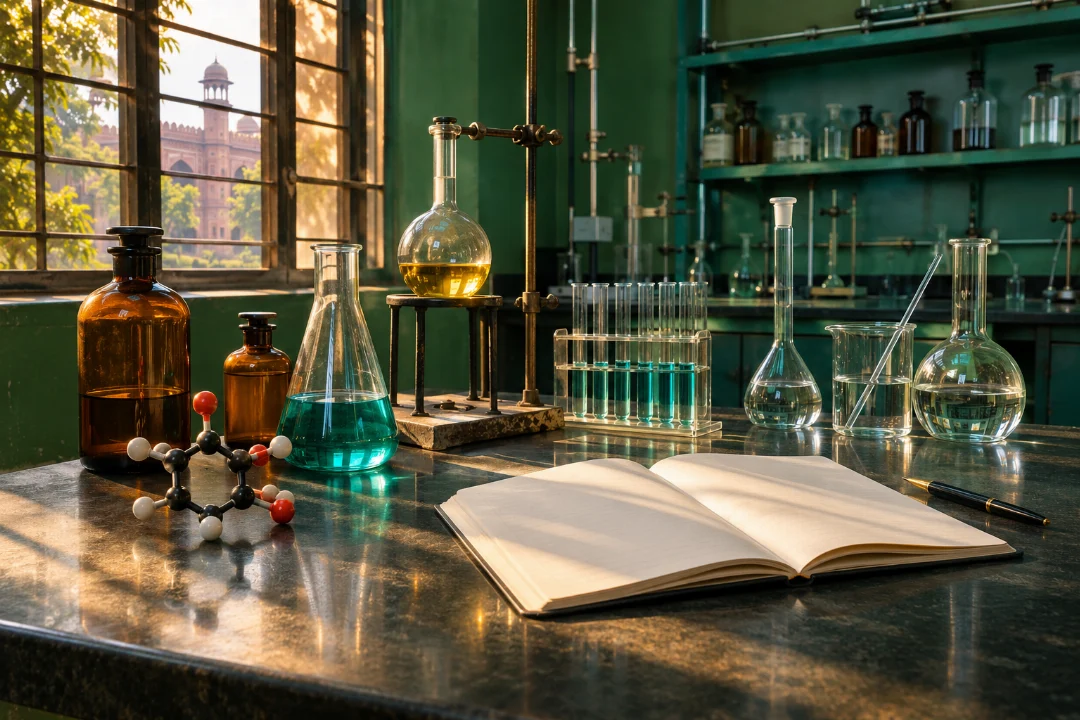
Nanomaterials
Nanomaterials improve photoelectrochemical water splitting, which uses sunlight to produce hydrogen. Their large surface area and porous structure also make them useful for gas storage and sensitive chemical detection.
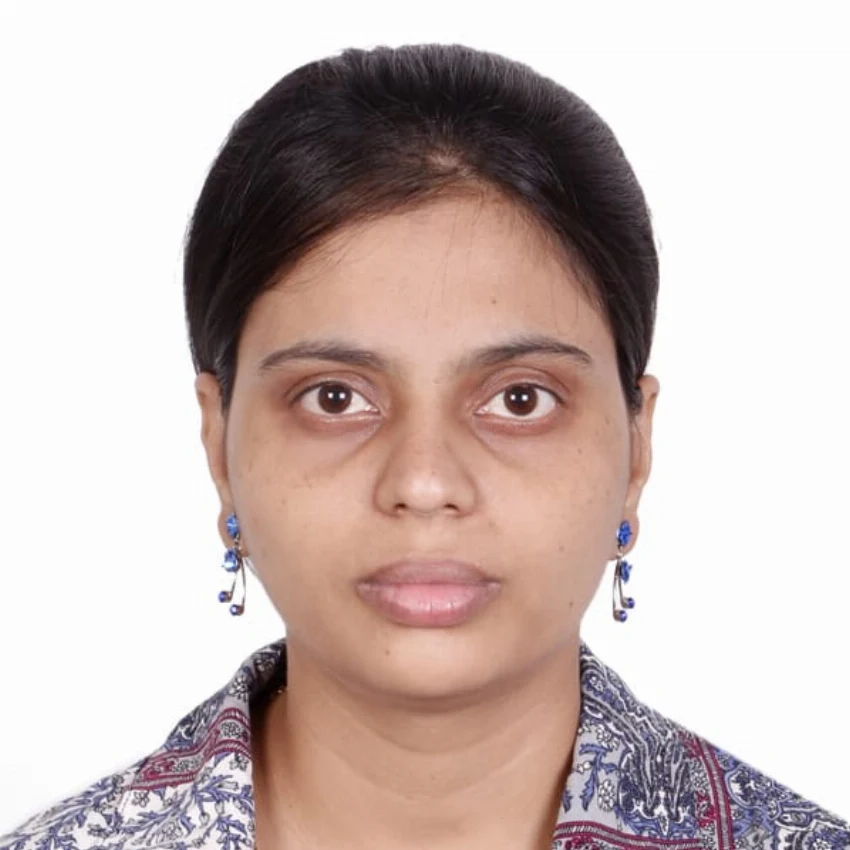
Assistant Professor of Chemistry
Inorganic chemistry, porous materials and the students who will carry the work forward.
Research focus
My work explores how the structure of inorganic and porous materials can be tuned for energy, environmental and analytical applications.
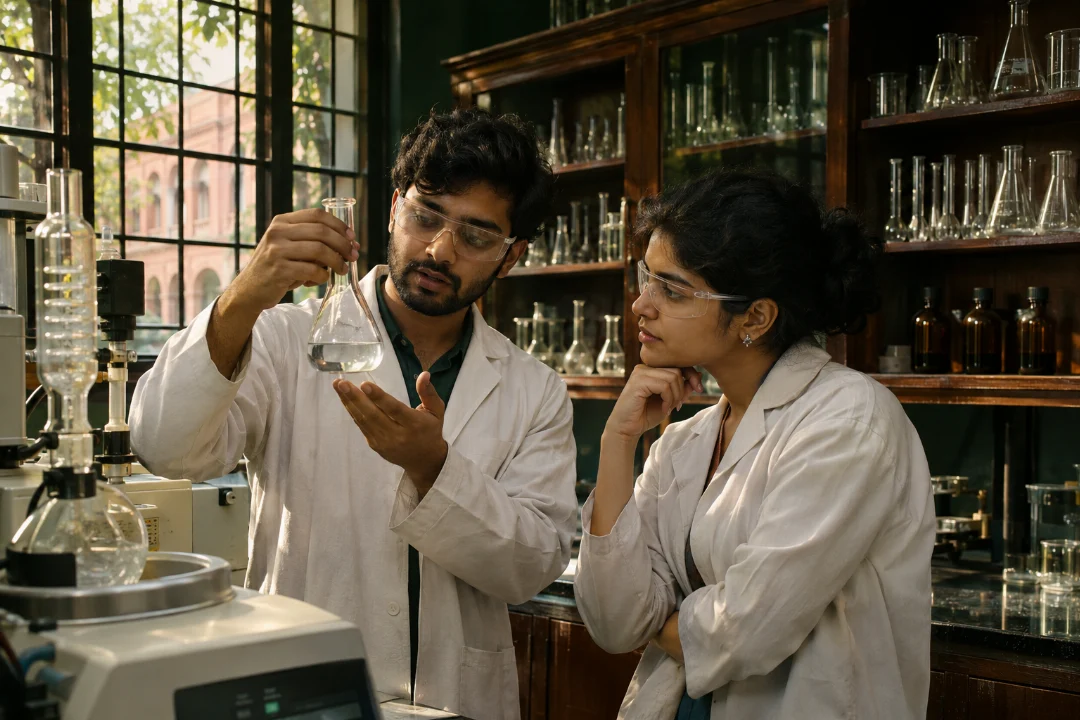
Nanomaterials improve photoelectrochemical water splitting, which uses sunlight to produce hydrogen. Their large surface area and porous structure also make them useful for gas storage and sensitive chemical detection.
Customizable pores and high surface areas make MOFs useful for gas storage and separation. The group also studies these frameworks for carbon dioxide capture, catalysis and energy absorption.
We study how molecular interactions, energies and electrostatic properties shape crystal stability and behaviour. These relationships guide the design of new solid-state forms.
Academic work
My expertise lies in Inorganic Chemistry and nanomaterials, particularly metal-organic frameworks, and their applications.
I have authored multiple publications in prestigious journals focusing on topics such as photoelectrochemical water oxidation and the utilization of nanomaterials in water splitting and gas chromatographic separation.
I am actively engaged in corporate social responsibility endeavors, which include coaching for JEE entrance exams and conducting mental ability classes.
From the research archive
Published work
Journal articles, conference contributions and chapters in chemistry and materials science.
Collaboration and mentorship
I welcome enquiries from students and researchers interested in inorganic chemistry, porous materials, and opportunities to collaborate.